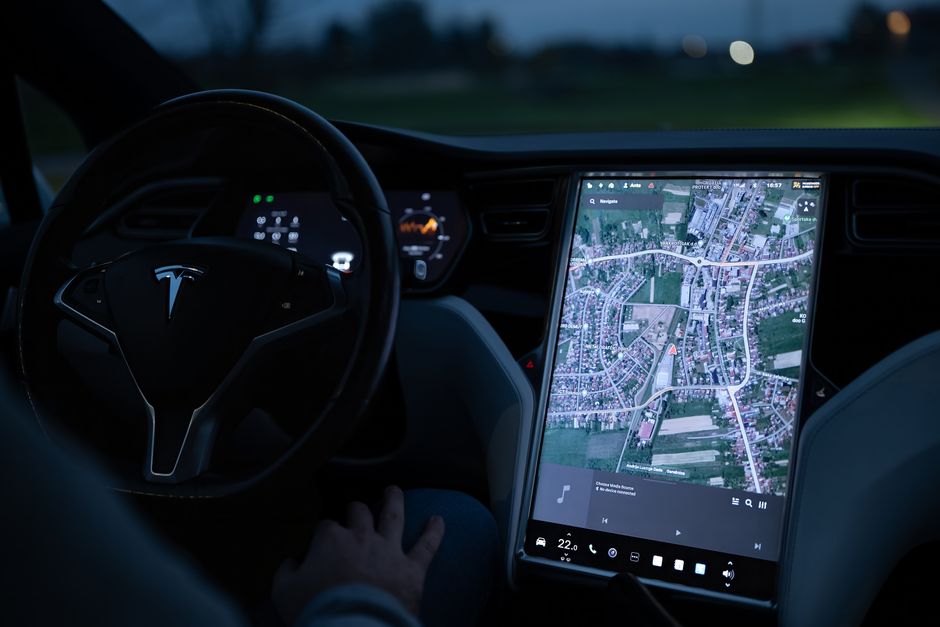
The automotive industry is undergoing a seismic shift, marked by the rapid advancement of technology that profoundly transforms transportation as we know it. From electric vehicles (EVs) to autonomous driving systems and smart infrastructure, these innovations are not only enhancing the efficiency and safety of transport but are also reshaping urban landscapes and influencing societal behaviors. This article delves into the various facets of automotive technology and its widespread implications for the future of transportation.
The Rise of Electric Vehicles
One of the most notable advancements in automotive technology is the rise of electric vehicles. With growing concerns over climate change and air quality, the shift from fossil fuel-powered vehicles to EVs represents a significant turning point in transportation. Major automotive manufacturers, such as Tesla, Ford, and General Motors, are investing heavily in electric technology, producing vehicles that boast longer ranges, faster charging times, and improved performance.
The global push for electrification is also supported by governmental policies aimed at reducing carbon emissions. For example, many countries have set ambitious targets to phase out internal combustion engines in favor of electric alternatives. This trend is exemplified by Norway, which aims to become the first country to sell only zero-emission cars by 2025. The increasing availability of charging infrastructure and advancements in battery technology further bolster the EV market, making electric vehicles more accessible to consumers.
Autonomous Driving: A New Era of Mobility
Another groundbreaking development in automotive technology is the advent of autonomous driving. Companies like Waymo, Uber, and Tesla are at the forefront of developing self-driving cars that promise to revolutionize personal and public transport. Autonomous vehicles leverage advanced sensors, cameras, and artificial intelligence (AI) to navigate roads, detect obstacles, and make real-time decisions without human intervention.
The implications of autonomous driving extend beyond convenience. It holds the potential to significantly reduce traffic accidents, which are often caused by human error. According to the National Highway Traffic Safety Administration (NHTSA), 94% of serious crashes are attributed to driver error. Furthermore, the deployment of autonomous vehicles could lead to reduced traffic congestion, optimized routing, and lower transportation costs.

However, the transition to a fully autonomous transport system presents challenges, including regulatory hurdles and ethical considerations surrounding decision-making algorithms. The need for comprehensive testing and public acceptance remains critical before self-driving vehicles can become mainstream.
Smart Infrastructure and Connectivity
The integration of smart infrastructure with automotive technology is another key element transforming transportation. Connected vehicles communicate with each other and with road infrastructure, creating a more efficient and safer transportation ecosystem. This Vehicle-to-Everything (V2X) technology includes communication with traffic lights, toll booths, and even pedestrians, allowing for smoother traffic flow and enhanced safety measures.
For example, cities like Barcelona and Singapore are implementing smart traffic management systems that utilize real-time data to optimize traffic signals based on current conditions, reducing wait times and emissions. Additionally, the concept of smart cities encompasses not only transportation but also urban planning, energy management, and public services, leading to a holistic approach to urban mobility.
Shared Mobility Solutions
The rise of shared mobility solutions is reshaping the way people access transportation. Services such as ride-sharing (Uber, Lyft) and car-sharing (Zipcar, Turo) are providing alternatives to traditional car ownership, promoting a shift towards more sustainable transportation options. These services often utilize advanced algorithms and mobile applications to connect drivers with passengers, enhancing convenience and efficiency.
Shared mobility also aligns with the growing trend of urbanization, where densely populated cities face challenges related to traffic congestion and parking shortages. By reducing the number of vehicles on the road, shared mobility can alleviate some of these issues while providing an affordable transportation solution.
The Future of Transportation
The future of transportation is undoubtedly intertwined with automotive technology. As advancements continue to emerge, we can expect further innovations that enhance sustainability, safety, and efficiency in transport. The integration of renewable energy sources to power electric vehicles, the evolution of public transport systems incorporating autonomous shuttles, and the development of hyperloop technology are just a few examples of what lies ahead.
Moreover, the collaboration between government entities, private companies, and technology developers will be crucial in shaping transportation policies that foster innovation while addressing social and environmental concerns. The transformation of transportation through automotive technology is not just about the vehicles themselves; it's about creating an interconnected ecosystem that supports modern mobility needs.
In conclusion, as automotive technology continues to evolve, it holds the promise of a future where transportation is more efficient, safer, and environmentally friendly. The ongoing developments in electric vehicles, autonomous driving, smart infrastructure, and shared mobility solutions are paving the way for a new era of transportation that could significantly enhance the quality of life in urban environments and beyond. For more in-depth information on the advancements in this field, you can refer to the comprehensive resources available on automotive technology.